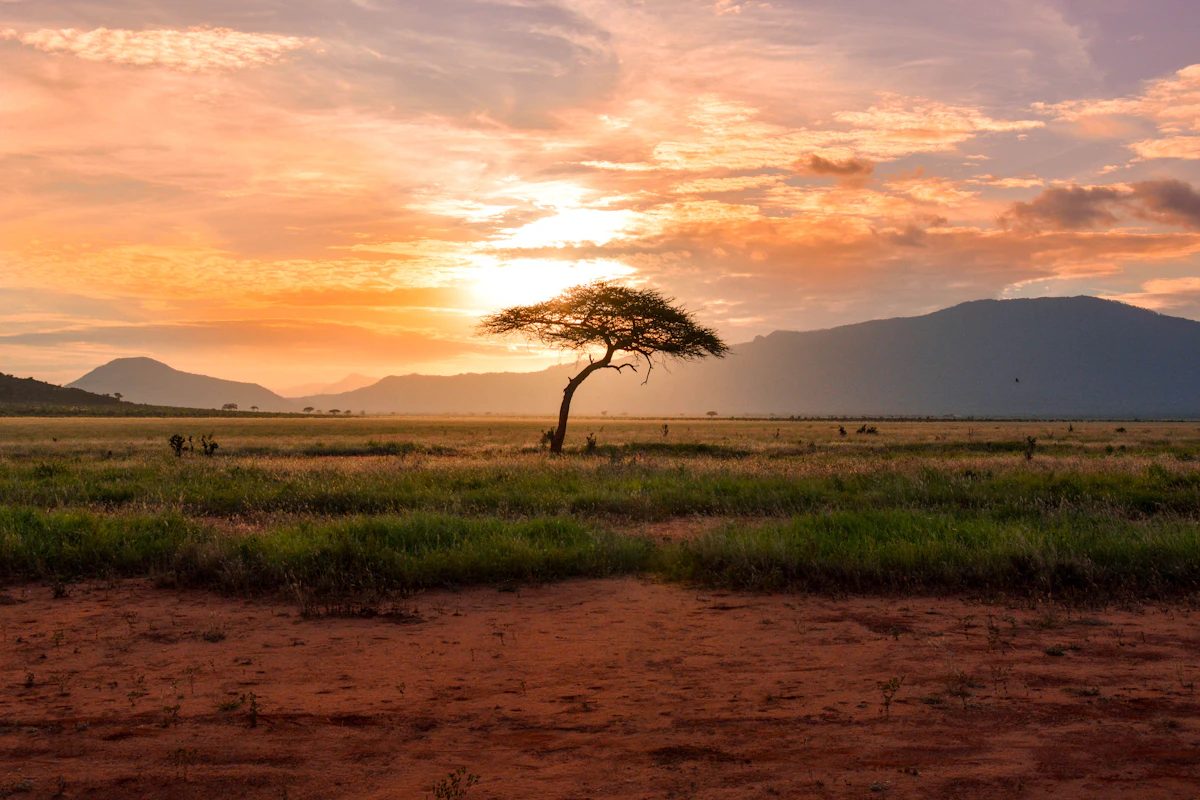
Kenya is one of Africa's greatest safari destinations and the original Out of Africa experience.
From the wildlife-rich plains of the Maasai Mara to elephant-filled Amboseli and the arid landscapes of Samburu, a Kenya safari offers a fantastic variety in what is a relatively compact country.
Add vibrant culture and the Indian Ocean coastline and it becomes a destination that you don't want to miss. Here are 10 things to know before planning your Kenya safari holiday.

1. Kenya is a year-round safari destination
There is no single “best” time to visit Kenya as it depends on what you want to see.
For classic dry-season game viewing, June to October is generally considered the prime period. Wildlife is easier to spot in the thinner vegetation, and animals tend to congregate around reliable water sources. It is also the key season for the Great Migration in Kenya, particularly in the Maasai Mara.
January to March is another excellent window, often with fewer visitors. The green season brings lush landscapes and abundant young animals and birdlife. November and December can also be rewarding, with short rains refreshing the landscape.
2. The Great Migration is spectacular – but don't plan your entire trip around a river crossing
The Great Wildebeest Migration is one of Kenya's biggest draws, with vast herds of wildebeest, zebra and other plains game moving through the greater Mara-Serengeti ecosystem on journeys like the East Africa Encounter.
The famous Mara River crossings generally occur from around July onwards, with August and September often considered prime months. But nature does not work to a timetable. Rainfall determines when the herds move, and a crossing can happen several times in one day, or not at all while you're there.
The good news? The Maasai Mara is brilliant even without the Migration. Its resident lion, leopard, cheetah, elephant, buffalo, to name a few, make it one of Africa's most rewarding year-round safari destinations.

3. The Maasai Mara isn't the whole of Kenya
If you're wondering whether a Maasai Mara safari is enough, the answer depends on the experience you're after.
The Mara is exceptional for predators, open savannah and the Migration. But Amboseli offers something completely different: huge elephant herds against the backdrop of Mount Kilimanjaro.
Samburu, meanwhile, introduces the distinctive wildlife of northern Kenya, including the “Samburu Special Five” – Grevy's zebra, reticulated giraffe, gerenuk, Somali ostrich and Beisa oryx. You can experience both diverse northern ecosystems and open savannahs on our Kenya Escapes Safari.
Laikipia is another fascinating option, particularly for conservation-focused experiences, while Tsavo offers vast wilderness and a sense of getting properly off the beaten track.
4. Private conservancies can transform your safari
One of Kenya's biggest advantages is the network of private wildlife conservancies surrounding major reserves.
In the Mara, for example, conservancy stays can offer a more exclusive experience, with fewer vehicles and activities such as guided walking, night drives and off-road game viewing that aren't generally permitted within the national reserve.
This is why we recommend looking beyond the most famous national parks when planning a luxury safari in Kenya. The right conservancy can offer more privacy, and unique community and conservation connections.
5. Kenya is about much more than the Big Five
Yes, Kenya is excellent for seeing lion, leopard, elephant, buffalo and rhino. But one of the joys of a wildlife safari in Kenya is discovering everything beyond the Big Five.
Expect giraffe, cheetah, zebra, wildebeest, hippo, crocodile, hyena and an extraordinary variety of antelope and birdlife. Kenya's protected areas encompass savannah, wetlands, forests, mountains and arid landscapes, creating habitats for an impressive diversity of species.
Look out for the previously mentioned Samburu's Special Five, Amboseli's elephants and the rhino populations of areas such as Lewa and Lake Nakuru.
6. Kenya can be surprisingly good value
Kenya isn't the cheapest safari destination in Africa, but it can offer excellent value compared with some of the more exclusive safari destinations, particularly Botswana's luxury wilderness camps.
As with any safari, the biggest variables are season, accommodation, location, length of stay and whether you travel by road or use light aircraft between camps. Peak Migration months and the most exclusive camps command premium rates, while green-season travel can be considerably more accessible.
A well-planned Kenya itinerary can therefore work across a broad range of budgets. Choosing the right area and season is often more important than simply choosing the most affordable accommodation.
7. Don't underestimate Kenya's landscapes
A first-time visitor might picture endless golden savannah, but Kenya's scenery is remarkably diverse.
You can move from Nairobi's urban energy to the Great Rift Valley, volcanic landscapes and freshwater lakes, then into the open plains of the Mara or the dry, rugged north. Further east, the Indian Ocean brings tropical beaches and Swahili culture.
This diversity makes a Kenya safari particularly easy to combine with a beach escape, which you can experience on our Masai Mara Safari & Kenya Coast itinerary, whether that means Diani, Mombasa, Watamu or the historic island atmosphere of Lamu.

8. A little practical planning goes a long way
A safari in Kenya is wonderfully relaxed, but it isn't a conventional beach holiday. Early mornings are often the best time for game drives, so expect some pre-dawn starts and cooler temperatures in the bush.
Pack lightweight layers, comfortable walking shoes, sun protection, a hat and a good pair of binoculars. Neutral colours are practical, although there is no need to dress head-to-toe in safari khaki.
If you're travelling between remote camps by light aircraft, luggage restrictions can apply, so soft-sided bags are usually preferable. We will always confirm the requirements for your particular itinerary.
It is also worth discussing health precautions with a qualified travel-health professional before departure, particularly regarding malaria and any vaccinations or medications appropriate to your itinerary.
9. Kenya is about people as much as wildlife
The country's wildlife is extraordinary, but the people and cultures you encounter can be equally memorable.
The Maasai and Samburu communities have longstanding connections with the landscapes around many reserves, while community conservancies increasingly play an important role in protecting wildlife habitat and creating local economic opportunities.
The best cultural experiences are those that are respectful, locally led and genuinely connected to the communities themselves.
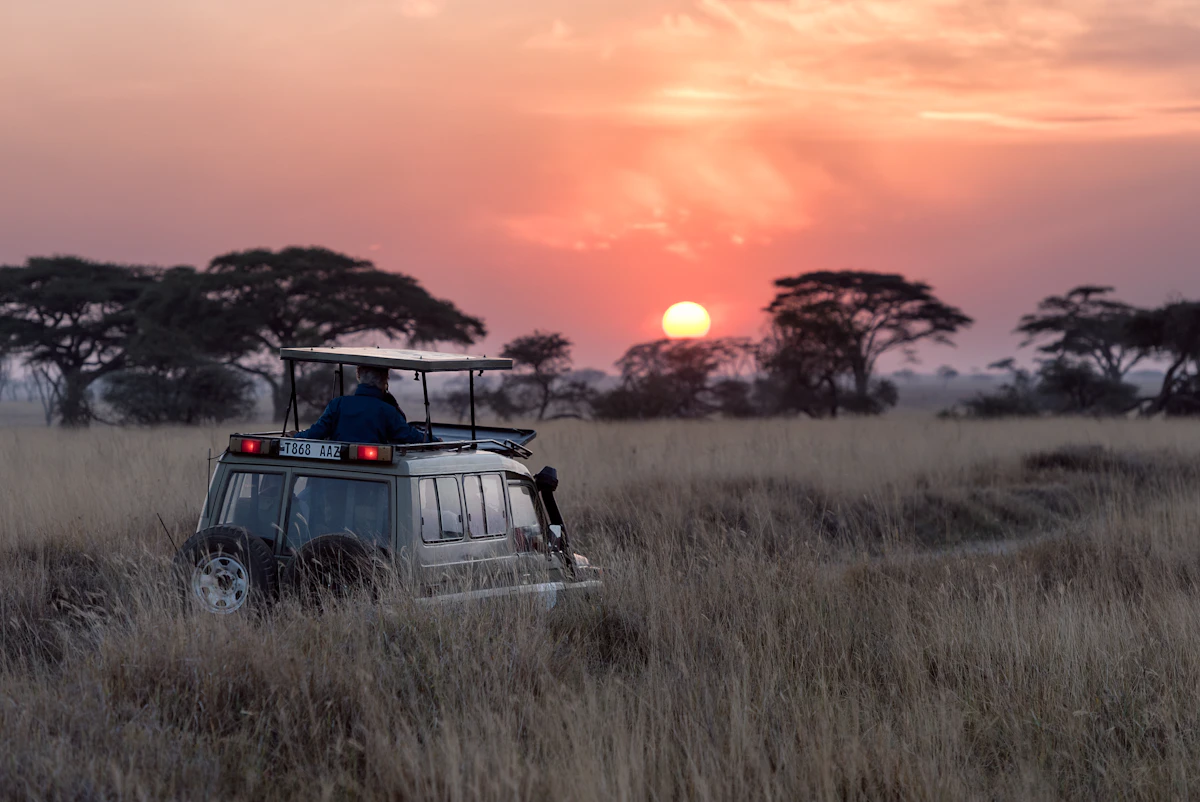
10. The best Kenya safari is the one designed around you
Perhaps the most important thing to know about travelling to Kenya is that there is no single “perfect” itinerary.
If you want the Great Migration, focus on the Mara and time your trip carefully. If you're keen on elephants and spectacular scenery, add Amboseli on a comprehensive East Africa Encounter. If you're looking for solitude and unusual wildlife, head north to Samburu or Laikipia with our Kenya Escapes Safari. And of course, if you're after a classic safari bush and beach break, finish on the coast with our Masai Mara Safari & Kenya Coast package.
FAQs: Travelling to Kenya
Is Kenya good for a first safari?
Absolutely. Kenya combines excellent wildlife, experienced guides, varied landscapes and a well-established safari infrastructure, making it one of Africa's strongest choices for a first safari.
How many days do you need for a Kenya safari?
Around 7–10 days allows enough time to experience two or three contrasting safari areas without spending the entire trip travelling. Longer stays work particularly well if you'd like to add the Kenyan coast.
Is the Maasai Mara better than other Kenyan parks?
Not necessarily as it depends on what you want. The Mara is outstanding for big cats and the Great Migration, while Amboseli is famous for elephants and Kilimanjaro, and Samburu offers rare northern species and a very different landscape.
Can you see the Big Five in Kenya?
Yes. Kenya is one of Africa's renowned Big Five safari destinations, although wildlife sightings are never guaranteed. Choosing the right area, guide and season can significantly improve your chances.
What is the best time to visit Kenya?
For dry weather, strong general game viewing and the Great Migration, June to October is the classic choice. For fewer crowds, greener scenery and potentially better value, January to March and the shorter rainy-season months can be excellent alternatives.