Every year from around June the Southern Right whales leave their icy feeding grounds in Antartica and head for African shores, particularly favouring the De Hoop marine reserve in the Western Cape.
According to whale biologist Katja Vinding, the 71 km stretch of coastline ranks as the most important nursery area for right whales worldwide, where they give birth, nurture their calves and engage in mating and social behavior. Sightings of calves increase in August, peaking in September and October.
There are now about 10 000 Southern Right whales in the world’s oceans, still a long way off the estimated 80 000 which once existed, according to Meredith Thornton of the Mammal Research Institute at University of Pretoria. South Africa’s waters are home to approximately 4 000 of today’s global population.
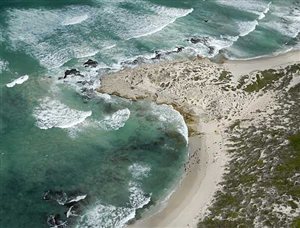 |
This pristine conservation area does not permit any fishing, boating or exploitation of any kind, which makes it an attractive place for whales to breed. Females and their calves swim in the clear waters, while males put on spectacular displays. From helicopter surveys conducted at De Hoop it has been found that the animal densities are highest at Koppie Allen and Klipkoppie, making them the best whale spotting sites at De Hoop. The whales come so close to the shore that you can spend hours on the unspoilt sand dunes, watching these beautiful creatures calve, blow, breach and belly-flop.
Although the De Hoop Bay has approximately 600 whales in peak season, generally over 50 Southern Rights can be spotted in the bay in a single sighting, the less common Bryde''s whale and the rare humpback also make appearances. Save a date between June and December this year to come to the De Hoop coastline to see a truly magnificent wildlife display.
Visit http://www.portfoliocollection.com/go/De-Hoop-Collection for accommodation and great winter specials.
 |