Most of you know South Africa for its exotic safaris and beautiful beaches - two experiences that bring travellers from all over the world to our shores. Because these tend to steal the headlines, it''s easy to forget that there''s a lot more of the country to explore...and the best time to do it is in March. The weather is just about perfect - the wind in the Western Cape has started to drop, days are warm and sunny and you''re treated to endless, mesmerising blue skies (Cape Town regularly takes the top spot for cities with the best blue skies).
March is also ‘shoulder season’ when high season prices are lowered and many of the holiday crowds (who are often tied to school terms) have vanished. We take you down the Cape West Coast on a trip that covers something a little out of the ordinary…
The West Coast stretches from Yzerfontein in the south to Strandfontein in the north. It’s the hub of the South African commercial fishing industry and its wild coastline is full of long white beaches and fynbos. It''s a place to slow down, sunbathe and savour some of the freshest seafood you''ll ever taste.
Seafood and sticky fingers at Die Strandloper
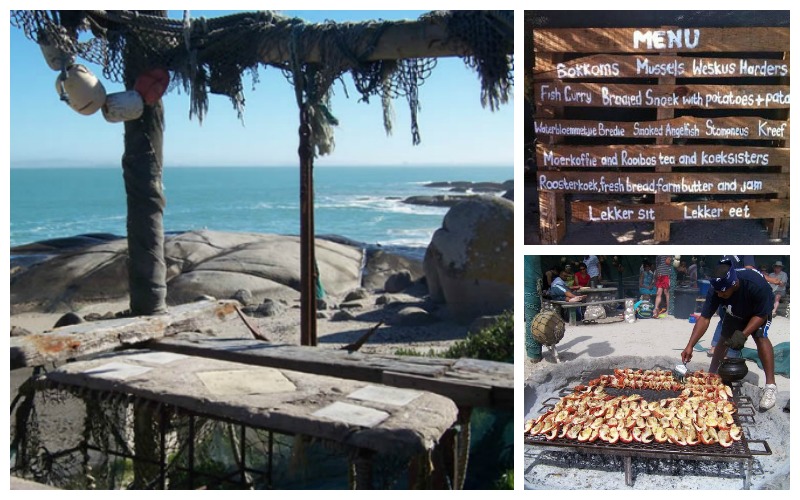
Just 125km up the Cape West Coast you’ll find Die Strandloper (The Beachcomber) restaurant – an open air, very casual restaurant right on the sand at the water’s edge with magnificent views of the Langebaan Lagoon. Here you can tuck into an all-you-can-eat buffet of seafood, including calamari, angel fish, snoek and many traditional South African dishes like paella potjie (a rich seafood stew) and waterblommetjie bredie (a fragrant stew containing the waterblommetjie flower found growing naturally in fresh water dams).
Hint: Be prepared to really get up close and personal with your food, fingers are definitely encouraged.
Kayaking on the Langebaan Lagoon
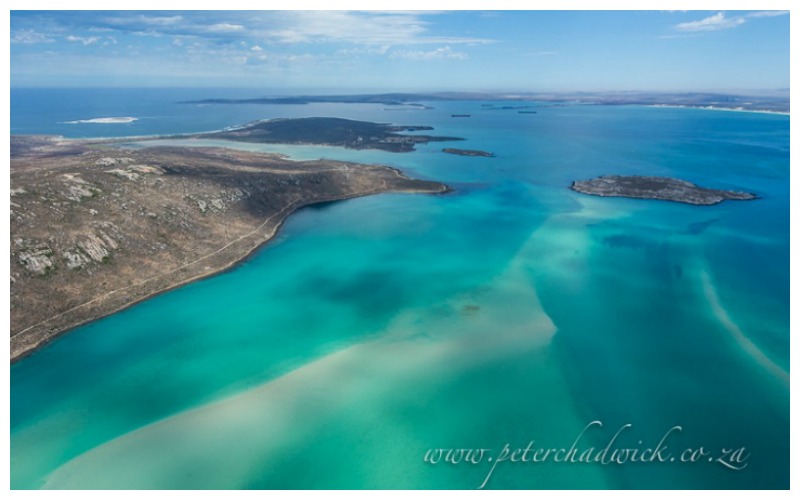
Take a kayak out and explore the Langebaan Lagoon, which has long stretches of intense turquoise water. The lagoon is only 6 metres deep at its deepest and completely open to the sea. No river runs into it, making it one of only three lagoons in the world that isn''t fed by fresh water. Kayaking tours are conducted at a leisurely pace by experienced guides who’ll reveal the secrets of both the land and sea’s local fauna and flora. You don’t need to be an experienced paddler to enjoy the trip.
Photo credit: Peter Chadwick
Pottering around Paternoster
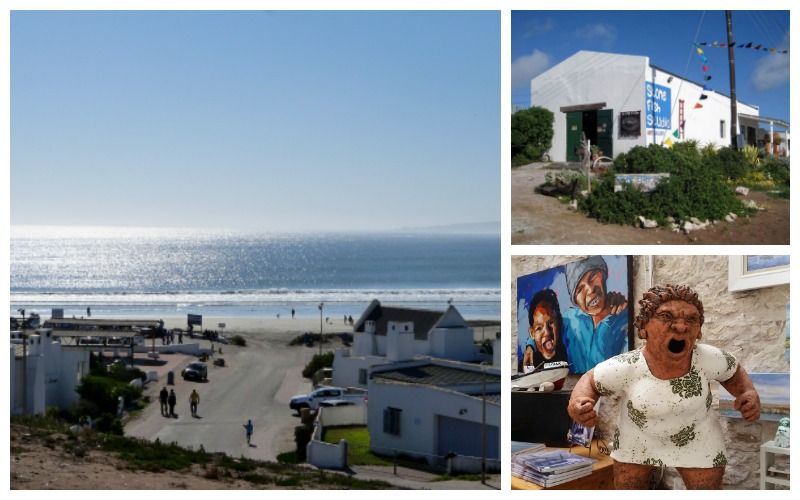
Around half an hour’s drive north from Langebaan is the picturesque fishing village of Paternoster, meaning “Our Father” in Latin. Paternoster is an all-year-round holiday destination and is famous for its traditional fisherman’s architecture and endless sandy white beaches.
Paternoster has lots of activities for the busy explorer, including Beach Buggy trips along the coastline, whale and dolphin watching, hiking trails, mountain biking and sea kayaking. There is also a treasure trove of shops featuring authentic crafts, art and sculptures straight from the kilns and easels of artists living in the area. When you’re done cruising the shops, pop into one of the many and varied restaurants, which range from fine dining at Reubens inside Abalone House to a seafood feast at the more casual Noisy Oyster.
Situated on the square alongside the landmark Paternoster Winkel (shop) and The Noisy Oyster is a gallery exhibiting contemporary fine art and limited editions from photographers acclaimed both in South Africa and abroad. Browse to your heart’s content and get a memento to remind yourself of your trip.
Take in the views at Cape Columbine Lighthouse
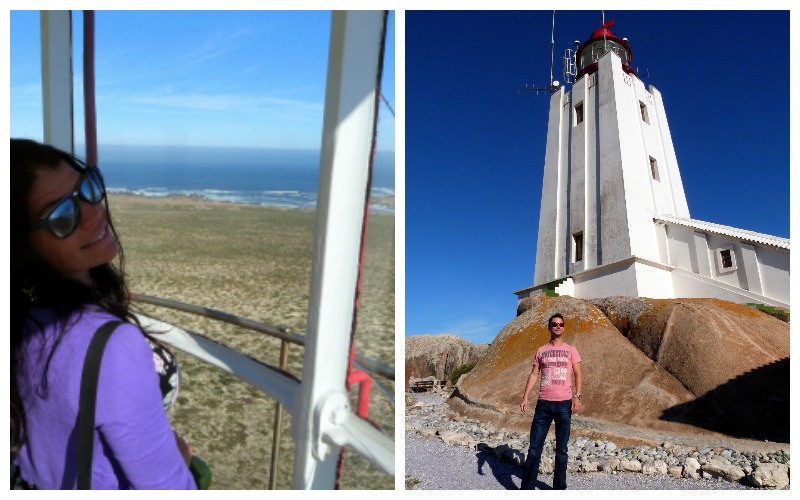
Just 5kms from Paternoster is the Cape Columbine Lighthouse, positioned on a massive outcrop of rock known as Castle Rock. Its spiral staircase takes you high enough to enjoy incredible views out over the Britannia reef and the Atlantic.
Interesting fact: The lighthouse is named after the sailing ship Columbine that was wrecked just north of here in 1829. It''s the first lighthouse sighted by ships sailing from South America and Europe and is also one of the very few left in the world that are manned by light keepers.
It''s just Darling
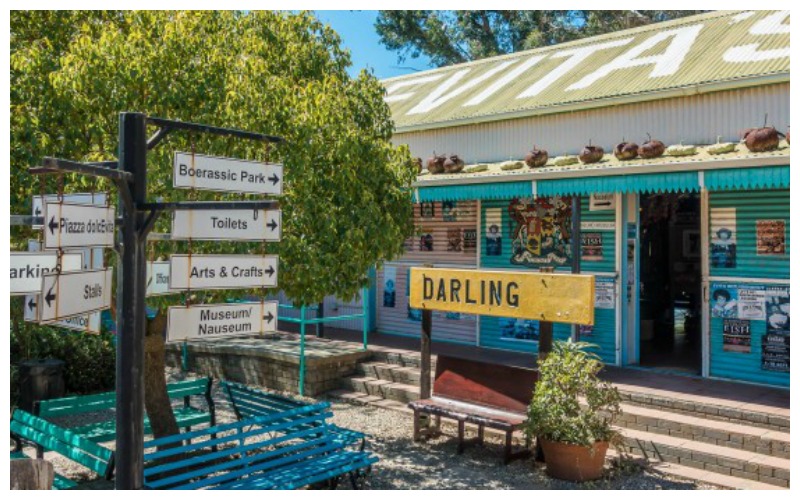
Darling is a charming little village only 75km from Cape Town, which has so many restored Victorian homes you almost expect to see horse-drawn carriages lining the streets. Darling is home to the well-known South African satirist Pieter-Dirk Uys’s theatre – Evita se Perron, a cabaret venue and restaurant, named after his famous alter ego Evita Bezuidenhout.
You''ll find Evita se Perron at the old Darling railway station; a theatre that seats 80 along with a restaurant bar and Evita se kombuis (kitchen), which serves up an artistic interpretation of hearty boerekos (traditional farmer’s food). At Bambi’s Berlin bar, you’ll be treated to Evita Blanc, Evita Noir and Evita Amber wines – and we guarantee you won’t find them anywhere else in the world.
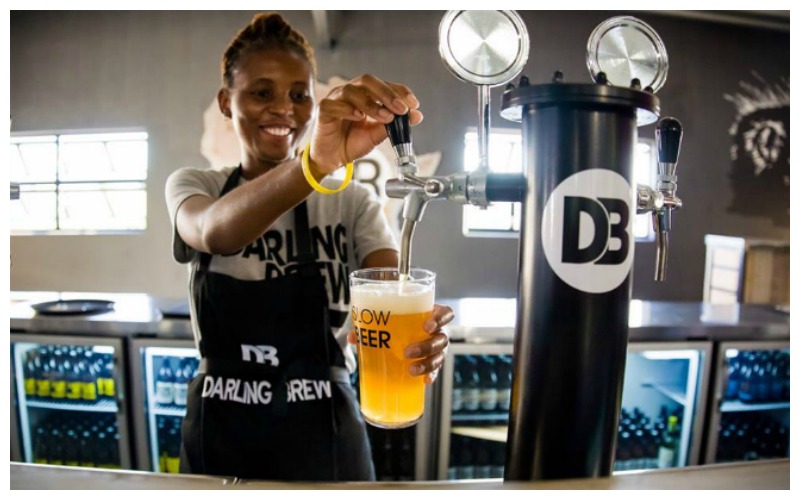
Another must-see in Darling is the Darling Brew, a famous South African microbrewery that combines award-winning beers with a deep commitment to conservation. Started in 2010, the founders attribute its success to fresh ingredients and and their slow brewing process. You can taste all the beers on offer at The Darling Brew Tasteroom & Brewery and take a tour to see the microbrewery in action.
We recommend: Taste as much as you like, but don’t miss the Bone Crusher – a very refreshing beer with a spicy candied orange smell and taste and a bitter finish.
Scenic in the Cederberg
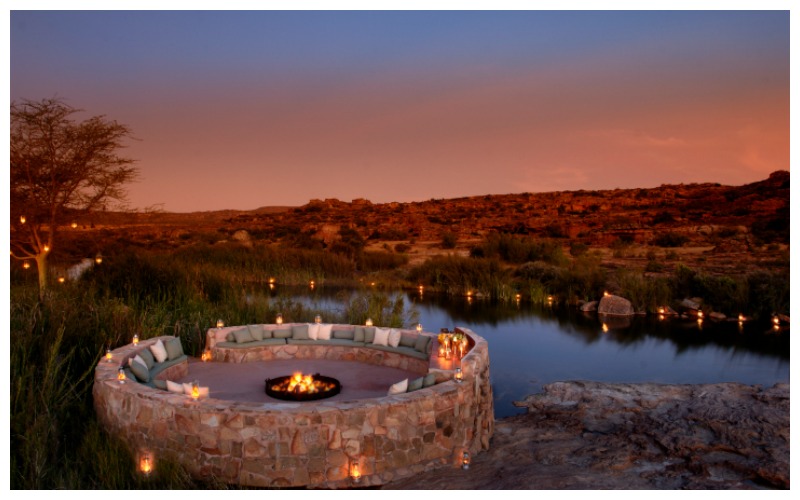
Moving up the west coast (270km from Cape Town) you’ll reach the majestic Cederberg Mountains. This region is an ecological oasis and offers a unique wilderness experience.
The Cedarberg is home to Bushmans Kloof, a South African National Heritage Site nestled in the foothills of the Cederberg Mountains. You can spend a few nights here relaxing at the wilderness retreat next to 130 ancient Bushman rock art sites. Bushmans combines the ultimate luxury experience with the essence of nature. Often referred to as “the home of authentic Cape cuisine” Bushman’s creates exciting dishes made from organic ingredients grown in local gardens. You can choose your own bottle of wine from the cellar or take your pick from the extensive wine list. When you’re not lazing around enjoying the lavish accommodation or exploring the beautiful surrounds, pamper yourself at the spa, which uses a range of African ingredients to restore your balance.
We recommend: Visit the Heritage Centre at Bushmans Kloof for insights into the fascinating history of the Bushman in the Cederberg wilderness area.
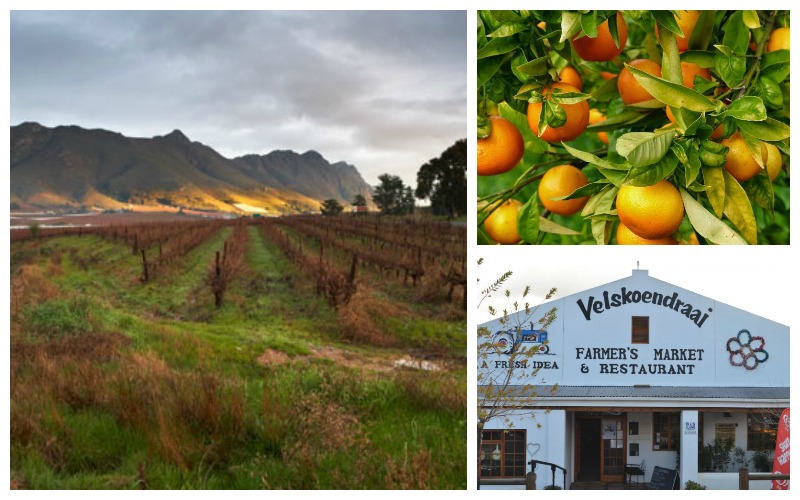
The Velskoendraai is a must-visit for all visitors to the Cederberg. Located at the entrance to Clanwilliam on a citrus farm, this farmers market and restaurant is famous for freshly baked bread made in outdoor ovens and stocks local products and fresh produce, including rusks, jams and preserves from surrounding areas.
Hint: Stock up on oranges – they are great value for money and are deliciously sweet.
Cederberg Wines come from the highest lying vineyards in South Africa. The pure mountain air and water grow magnificent grapes which add something special to their wine. A winner of the coveted Veritas Double Gold medal, the cellar produces six ranges. Cederberg Wines is open for tastings from Monday to Sunday from 09h00 to 16h00.
Like what you see? Our Portfolio Journeys consultants can create your very own journey to the other side of South Africa, whether it''s a wander down the West Coast or a a pilgrimage to the Panorama Route. Contact our friendly faces today and we''ll piece something magical together.