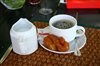
Traditional koeksuster recipe
To buy
Syrup Ingredients
• 4 cups sugar
• 1 1/2 cups water
• 1/2 tsp cream of tartar
• 1/2 tsp ginger ground
• 2 cinnamon sticks
• 1 – 2 tsp glycerine
Koeksuster Ingredients
• 4 cups Flour
• 1/2 tsp salt
• 4 tsp baking powder
• 2 Tbls butter or margarine
• 1 large Egg
• 1 – 1.5 cups milk (or water)
• Sunflower oil for deep frying
To make
Syrup
- Dissolve the sugar in the water
- Add the ginger, cream of tartar and cinnamon
- bring to a boil
- Boil for 5 minutes
- Add one to two teaspoons of glycerine just before removing syrup from heat (for that shiny coating)
- Cool thoroughly
- While dipping koeksusters, place the container of syrup, in a large basin with ice cubes to prevent syrup from becoming to warm
Koeksusters
- Sift the dry ingredients and rub in the butter
- Beat the egg, add the milk/water and mix lightly to a soft dough
- Knead well and leave for 2 hours minimum
- Roll out to 1cm thickness, cut into strips and braid or twist
- Deep fry 5 to 6 koeksusters at a time, for 1 to 2 minutes or until one side is golden brown, turn over with a fork and fry the other side.
- Remove, drain on paper towel and then plunge each one into the cold syrup for a few seconds.
- Drain on a flat plate or platter
This recipe makes about 5-6 dozen koeksusters.
Enjoy with ‘moer koffie*’ or a nice pot of Rooibos tea.
Yum!
*Very strong black coffee made by boiling grounds, often over a fire. Note: The word "moer" is not particularly polite and is associated with a number of 4-letter words. Used in this context however it is not usually offensive!
(Image: ChameleonGreen. Creative Commons License)