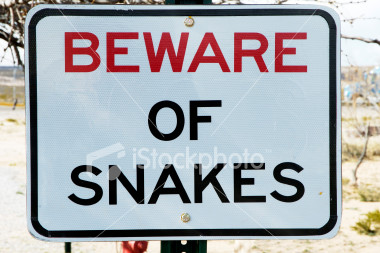
Cape Talk''s Outdoor Report this morning warned of a sudden increase in the sightings of snakes on Table Mountain and in the other mountainous regions in Cape Town these past few weeks.
While it is not clear why these reptiles are being more - er - sociable than usual, it is worth your while to keep your eyes peeled while enjoying the beauty of the Cape''s fynbos-clad mountains - especially if you have small children with you who may be unaware of the possible danger of treading on a passing Puff Adder!
Who might you encounter?
According to SANParks, the Table Mountain National Park
"...is home to around 22 snakes, 10 of which are non-venomous – although they can still deliver a nasty bite if provoked - and five of which are deadly namely the Cape Cobra, the Puff Adder, Boomslang, Rinkhals and Berg Adder. The good news is it they are mostly shy and will avoid human contact. The one you are most likely to encounter is the Puff Adder which moves at a leisurely pace and enjoys a nice warm path."
So be sure to walk with care and awareness, stick to the trails - no bundu-bashing! - and check out the following tips for treating snake bites in the wild, from snakes.co.za
First Aid for Snake Bites
• Keep the patient still and calm
• If neccessary, maintain vital functions (breathing, heartbeat) with basic
• Immediately apply a pressure immobilisation bandage
• Try and keep the patient as still as possible and call for transport rather than transporting them yourself
• Seek medical help ASAP - best to always have a charged cell phone on you when hiking
• If the snake has been killed, bring it with the patient.
DO NOT:
- wash the wound.
- use a tourniquet.
- cut or suck the wound
- Give alcohol to the patient
- Give food to the patient - only non-alcoholic clear fluids may be given
