“A recent knee injury (and a complete lack of riding skills) had made me a little nervous about my ride through the Addo Elephant National Park.
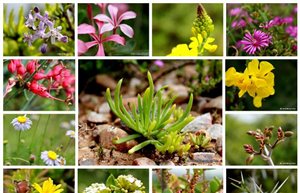
As we ambled along the fence-line, my trail guide Thando Ndamo began pointing out plants and flowers, and slowly my eyes began to open to the world around me.
 |
The park is famous for its elephants, flightless dung beetles and other wild creatures, but the focus of our horseback trail was on the landscape and vegetation. On horseback, your vantage point changes, but you’re still immersed in the environment.

First, I noticed the clusters of sweet thorns (Acacia karroo), which Thando described as a particularly useful tree. They were just starting to bud, but soon they’ll be a mass of yellow pompoms. Its thorns, which are technically called spines, were several inches long and had tiny insects nesting in them.
According to the South African National Biodiversity Institute (SANBI), it’s an indicator of sweet veld, which is good for grazing. The plant gets its common name from the gum that is exuded from wounds in its bark. Apparently, this gum tastes quite pleasant and is eaten by people and animals, while honey made from it has a wonderful taste and texture. The sweet thorn also has many medicinal uses, ranging from wound poultices to eye treatments and cold remedies.

The spekboom (Portulacaria afra) was ubiquitous and we stopped to examine its small, star-shaped dusky pink buds, which were buzzing with insects and birds attracted by the sweet nectar.
This fascinating plant forms an important part of the diet of the Addo elephants. According to SANBI, their top-down browsing habits help the plant to spread and thrive. Its leaves apparently have a tart flavour that tortoises particularly like, and sucking on a leaf is said to quench thirst, and treat exhaustion, dehydration and heat stroke. It’s also apparently an excellent ''carbon sponge'' that can sequestrate free carbon from the atmosphere in a particularly efficient way – which means that a stand of spekboom(translated as ''bacon bush'' in English) can apparently remove more carbon from the atmosphere than an equal amount of deciduous forest.”
Read the full post here. Re-published with permission
About the blogger
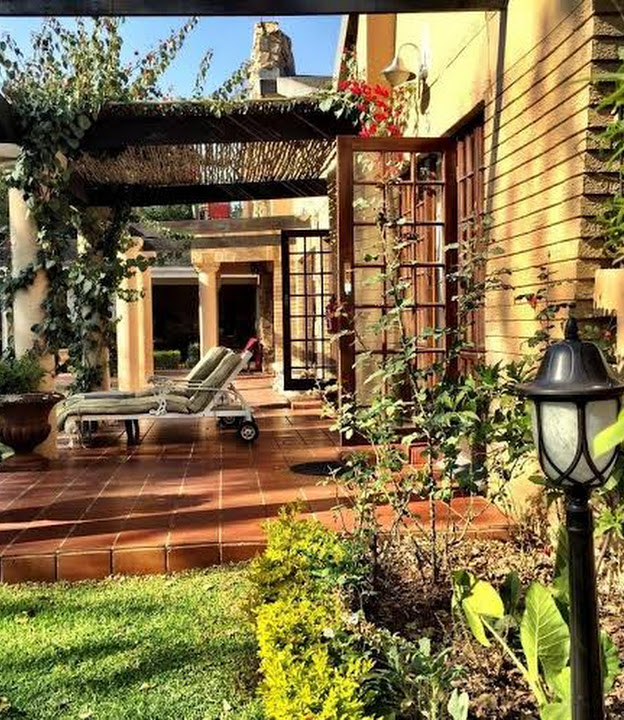 I''m a storyteller based in Hoedspruit, Limpopo.
Addo Dung Beetle Guest Farm
 |
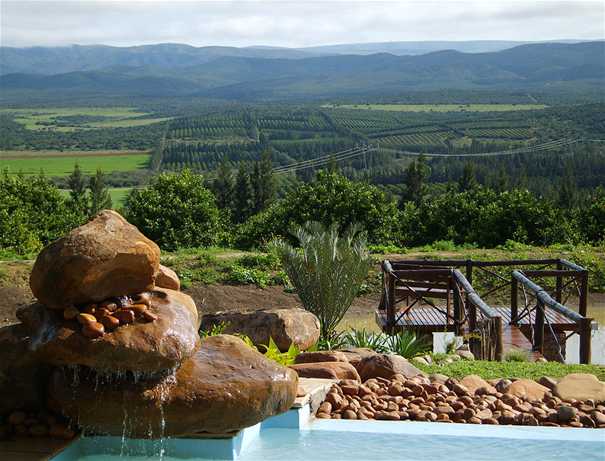 |
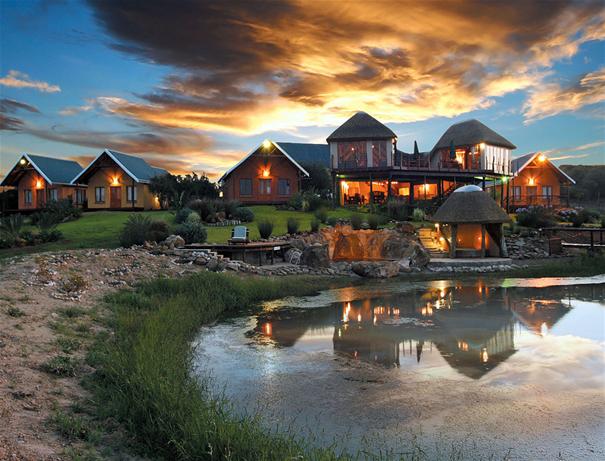
Addo Dung Beetle Guest Farm is on the Zuurberg Pass, set on its own mountain top near the heart of the Sundays River valley, the largest citrus producing area in the Province and overlooking the beautiful Zuurberg mountains. Five comfortable chalets are set on a working citrus farm only 4 km away from the main gate of the Addo Elephant National Park. Each chalet offers air-conditioning, outdoor shower and deck with lovely views of the mountains and orchards. Malaria free area. WiFi in upper level lounge.