10 tips for getting great lodge and hotel photographs
 |
2. Most of my interiors are taken using natural lighting – although I do sometimes use redheads, which are tungsten spotlights that are useful for lighting up thatch and dark corners.
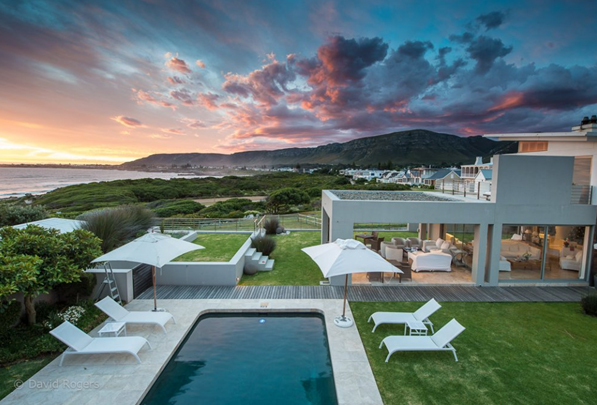
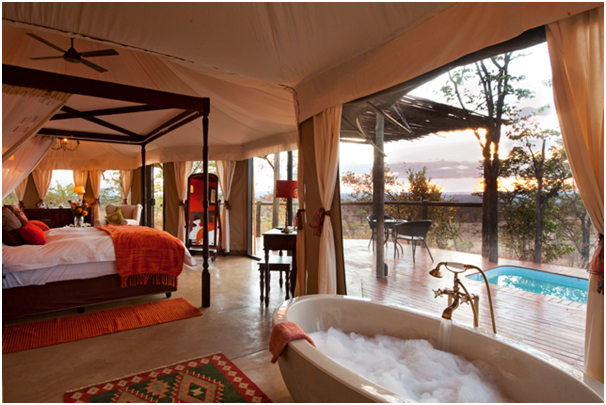
3. Everyone loves shots that show the inside and the outside of the room simultaneously. There are several ways of achieving this:
- Shoot the picture twice and then layer the two different exposures in Photoshop.
- Shoot the image in low light conditions when the exposure between inside and outside is balanced.
- Shoot with off camera flash where you take a manual reading of the exterior and then boost the interior with flash.
- Or you can use a combination of techniques.
 |
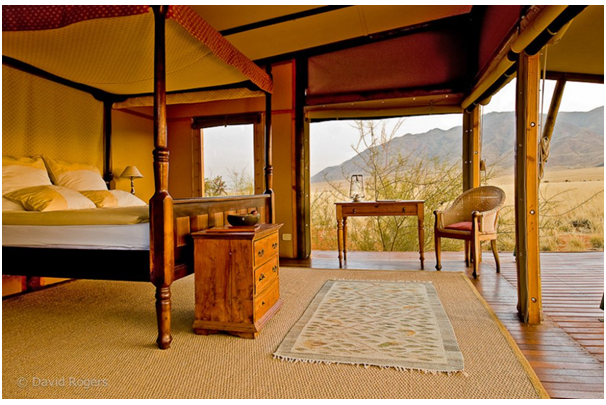
4. I find it is best to shoot for the corners of the room and make the back of the shot brighter than the foreground, by opening doors, windows or using lights so that the eye is drawn through the resulting picture.
5. When shooting objects with a wide-angle lens, a ships prow effect can be created making subjects near the camera seem very large, and distorting lines. I find this unacceptable and so place objects carefully, often “cheating” quite a bit by moving furniture here and there. Vertical lines can get distorted if you tilt the camera so I usually shoot from a child’s height with the camera perfectly parallel. It is also possible to get rid of distortions in Photoshop, and Lightroom can help sort out parallel lines.
 |
6. Look for interesting details in the lodge – perhaps it’s the design of the basins, the taps, or an interesting statue or mirror. Including images of these details adds to the overall impression of the place’s unique atmosphere.
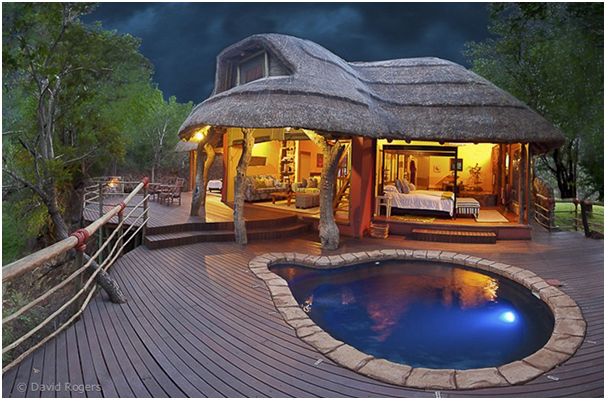
7. Digital cameras are hugely sensitive to light and it’s fantastic to see the results that you can create using the dark blue light in an evening sky, warm lanterns in a building, or flickering light from a fire.
 |
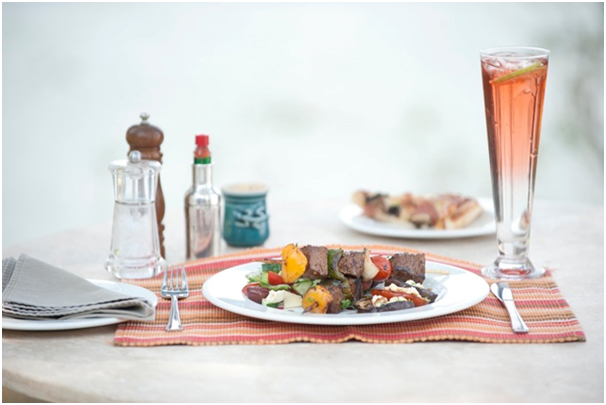
8. One of the great “wish you were here” lodge shots are dinner setups. If you want to get this right it has to be done at sunset – or just after – when the fire and the lights are just starting to glow. If you wait too long then you will not see the whites of the tablecloths, the yellow lights from the lanterns will become too strong, and you will lose ambience in the night sky.
 |
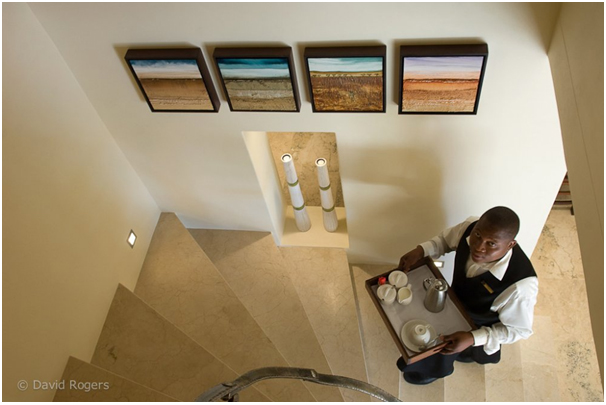
9. Adding people as elements to your pictures can also give a “wish you were here”dimension that clients and magazines love. But make sure that you shoot the picture with and without as human elements and vehicles can also date pictures. But, a waiter walking past, a distant couple on a veranda can, if done subtly, add a more natural feeling to an image if used in the right context. For many reasons, paying guests are not ideally suited to use as models - especially if you are planning a 4am pool shot! There are often several takes required to get the shots right so make sure that the models are accommodating.
 |
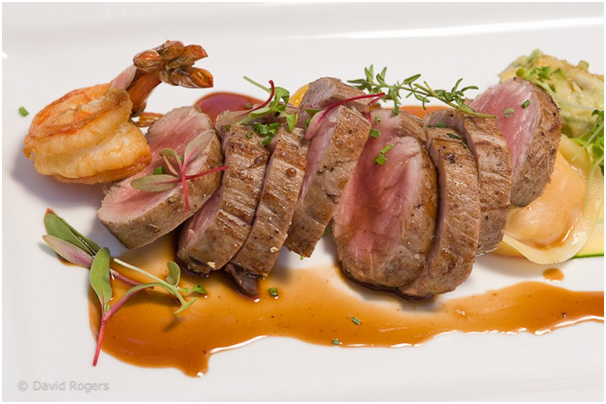
10. Many lodges produce great food - such as The Robertson Small Hotel’s signature restaurant, Reuben’s at the Robertson, under chef extraordinaire Reuben Riffel. But capturing it in images is a real talent. Food is also best shot using natural light in shadow, preferably near a light source and by bouncing light onto the subject using a reflector. It’s really easy once you know how – and the results can be mouth-watering! Macro is great if you want to produce limited focus photographs on a particular point of interest, but sometimes you will want a wider shot showing more of the food, the table or even a view in the background. I often shoot food from 40 degrees or so (the same angle as people eat) but there are no rules - sometime food works better as a top shot. The lower you go on the food the more height you need for the image so that the shape of the plate and the background become more important. Involve the chef too. He can move things, add glaze and bring his own style to the shot too. Food photography is tricky and you have minutes before the food loses its sheen and freshness. Also, if the food is not looking good enough to shoot up close (and most food will not photograph under close scrutiny) then go wide.
 |
About the blogger
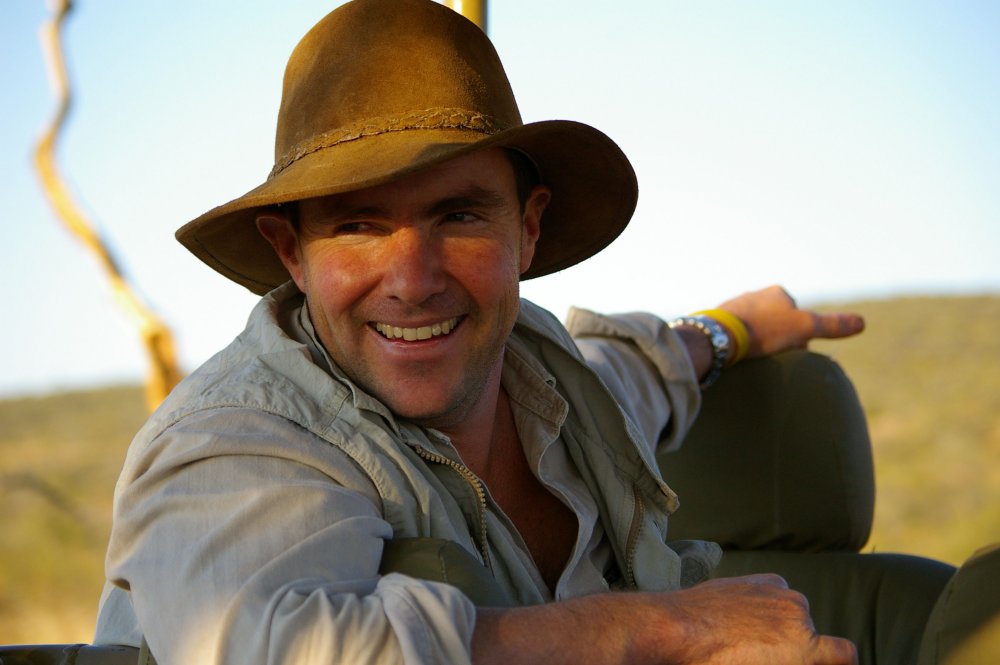
David Rogers was a staffer at Getaway, a writer and photographer for Africa Geographic and many of the world''s top magazines. He has written hundreds of magazine articles and dozens of books including five on safari lodges throughout Africa and the Indian Ocean Islands. He has been tour operating and leading small photographic groups on safari for the past seven years and knows these areas intimately. Dave is also available for commercial work. For more on his work and photographic expeditions visit: www.davidrogers.co.za